









Panama's medical device regulatory authority

image.png

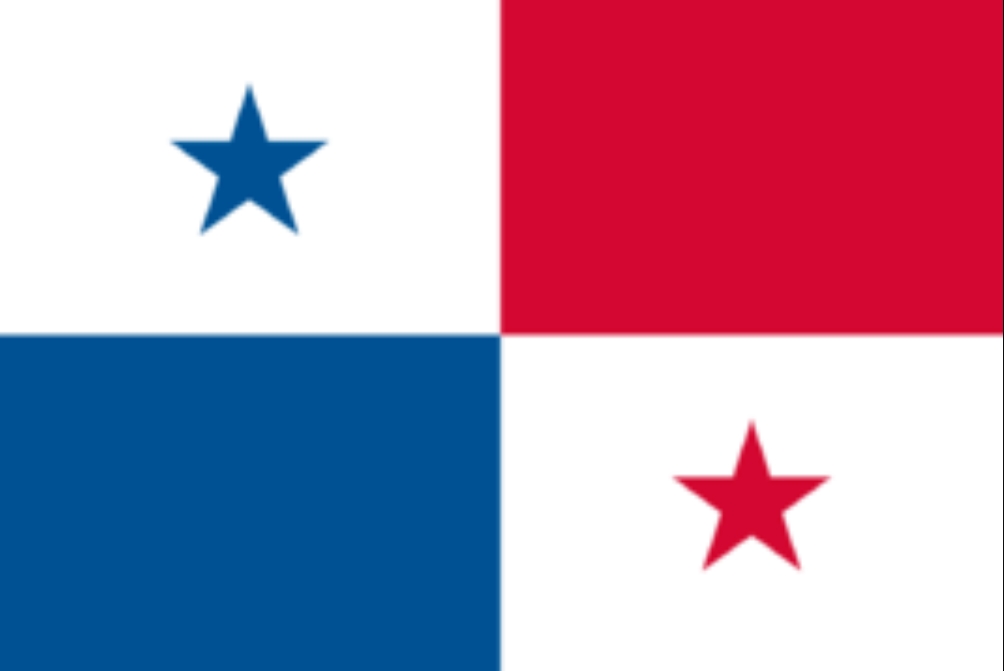
The National Medical Devices Bureau (Dirección Nacional de Dispositivos Médicos) is a national-level operational unit under the Ministry of Health (Ministerio de Salud, MINSA) of Panama, directly reporting to the minister's office. It is the main regulatory body for medical devices (Dispositivos Médicos) and related products in Panama. By monitoring and certifying medical devices and related public/private institutions, it enforces, supervises, and controls the legal and technical regulations governing medical devices and related products, ensuring that the medical devices on the market are of quality, safety, and effectiveness.

Regulatory Authority's official website link:https://www.minsa.gob.pa/

Regulatory regulations

Ley 90 de 26 de diciembre de 2017
Ley 92 de 12 de septiembre de 2019
Decreto Ejecutivo N° 83 de 26 de abril de 2019
Decreto Ejecutivo N° 490 de 4 de octubre de 2019

Classification of risk levels for medical device products

Risk level: Clase A
Risk description: Low risk (Bajo riesgo)
Typical features and examples: Non-invasive, short-term contact, passive devices (such as surgical gloves, wheelchairs, bandages, simple dressings)
Registration review strictness: The simplest
Risk level: Class B
Risk description: Low to moderate risk (Bajo a moderado)
Typical characteristics and examples: Short-term invasive or low-risk active devices (such as blood pressure monitors, syringes, and certain diagnostic equipment)
Registration review strictness: Medium
Risk level: Class C
Risk description: Moderate to High Risk
Typical features and examples: Long-term invasive, moderate-risk, source or implant-related (such as catheters, certain ventilators, some joint prostheses)
Registration review strictness: High
Risk level: Class D
Risk description: High risk (Alto riesgo)
Typical characteristics and examples: High-risk implants, long-term exposure, cardiac pacemakers, implantable defibrillators, high-risk IVDs, etc.
Registration review strictness: The most stringent

Authorized representative

Foreign manufacturers must appoint a local authorized representative (AR) in Panama. The AR is responsible for submitting applications, acting as the contact person for MINSA/DNDM, handling post-market surveillance, recalls and other matters, and bearing the corresponding legal responsibilities.

Registration language 

All documents and labels must be in Spanish. Technical documents, instructions (IFU), and labels must be fully translated and certified. 

Registration process, duration and official fees

1. Registration period

The official review process takes approximately 60 working days; if additional information is required, it can be extended by another 60 working days. The actual duration depends on the complexity of the device and the DNDM load. 

2. Official payment (currency unit: B/. ) 

- Class A medical devices 

Single-device registration: 150 

Equipment Family Registration (2 - 25 pieces of equipment): 250 

Equipment Family Registration (26 - 50 pieces of equipment): 50 

Equipment Family Registration (51 - 100 pieces of equipment): 750 

- Class B medical devices 

Single-device registration: 40 

Equipment Family Registration (2 - 50 pieces of equipment): 60 

Family registration of medical devices (51 - 100 devices): 850 

- Class C and Class D medical devices 

Single-device registration: 550 

Equipment Family Registration (2 - 50 pieces of equipment): 90 

Registration of the equipment family (51 - 100 pieces of equipment): 100


Chapter 3 FAQ

Q: Do all application documents for registration in Mexico have to be in Spanish?

A: When registering in Mexico, the product labels and instructions must be in Spanish. Label content should include product name, model, instructions for use, warning information, expiration date (if applicable), manufacturer information, etc.

Q: Can the Mexican registration certificate be changed?

A: If the design, manufacturing process and intended use of medical devices are changed, it is necessary to evaluate the impact of the change on product safety and effectiveness in a timely manner, and submit a change application to the Mexican health regulatory authority, and the change can be implemented after approval.

Q: How long is the Mexican registration certificate valid?

A: Five years.

Q: Can a Mexican certificate be renewed?

A: Sure. Prior to the expiration of the registration certificate, the manufacturer is required to submit a renewal application to the Comisión Federal para la Protección contra Riesgos Sanitarios (COFEPRIS). Renewal applications usually need to be initiated six months prior to the expiration date to ensure timely acquisition of a new registration certificate.

Contact Us
Fill Form
Whether you need more information or wish to cooperate with us, we will guide you through every step of the regulatory process. Subscribe to our newsletter for the latest global regulatory updates.