Malaysia Medical Device Regulatory Authority

Medical devices and IVDs are regulated by the Medical Device Authority (MDA). It is a federal statutory body under the Ministry of Health Malaysia. The MDA is responsible for medical device registration and regulatory oversight, ensuring that the safety, effectiveness, and quality of medical devices comply with relevant regulatory standards. The execution and supervision of some regulatory tasks have been delegated by the MDA to authorized third-party organizations known as Conformity Assessment Bodies (CABs).
Regulatory Authority Official Website Link:https://portal.mda.gov.my/
Database Link: https://mdar.mda.gov.my/frontend/web/index.php?r=carian%2Findex
Regulatory Framework
Medical Device Act 2012, Act 737
Medical Device Regulation 2012
ASEAN Medical Devices Directive 2015
Guidance Documents:https://www.mda.gov.my/index.php/doc-list/guideline
Risk Classification of Medical Devices and IVD Products
Medical Devices:
Risk Class A: Low risk, examples include surgical retractors, surgical gowns, etc.Risk Class B: Low to moderate risk, examples include hypodermic needles or aspiration devicesRisk Class C: Moderate to high risk, examples include ventilators or bone fixation platesRisk Class D: High risk, examples include heart valves or implantable defibrillators
In Vitro Diagnostic Reagents:
Risk Class A: Low individual risk and low public health risk, example: sample tubesRisk Class B: Moderate individual risk, or low public health risk, or both, examples include vitamin B test kits, early pregnancy self-test products, antinuclear antibody reagents, urine test stripsRisk Class C: High individual risk, or moderate public health risk, or both, examples include blood glucose self-test reagents, HLA typing reagents, PSA early screening kits, rhesus monkey antibody diagnostic reagentsRisk Class D: High individual risk and high public health risk, example: HIV detection reagents
Authorized Representative
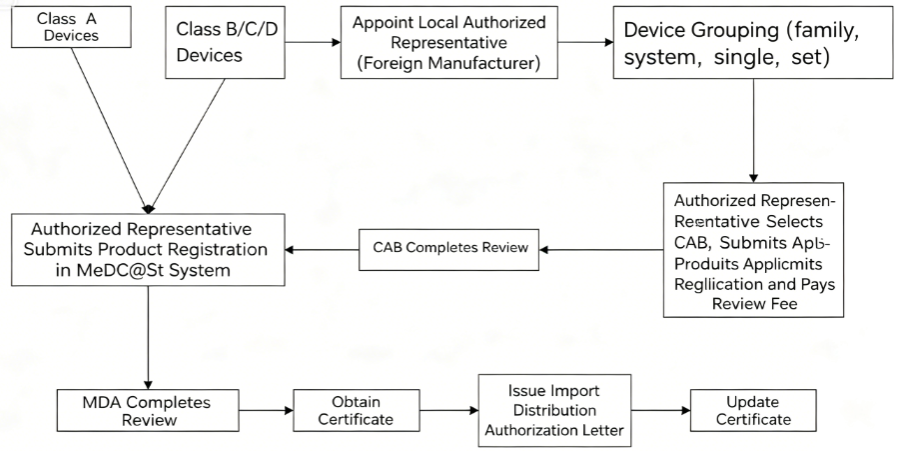
If the manufacturer does not have a local establishment (registered company) in Malaysia, a Malaysian authorized representative is required to handle medical device registration with the MDA. Each device may only have one authorized representative appointed by the manufacturer. The authorized representative will act on behalf of the foreign manufacturer as their local agent (license holder).
Registration Basis
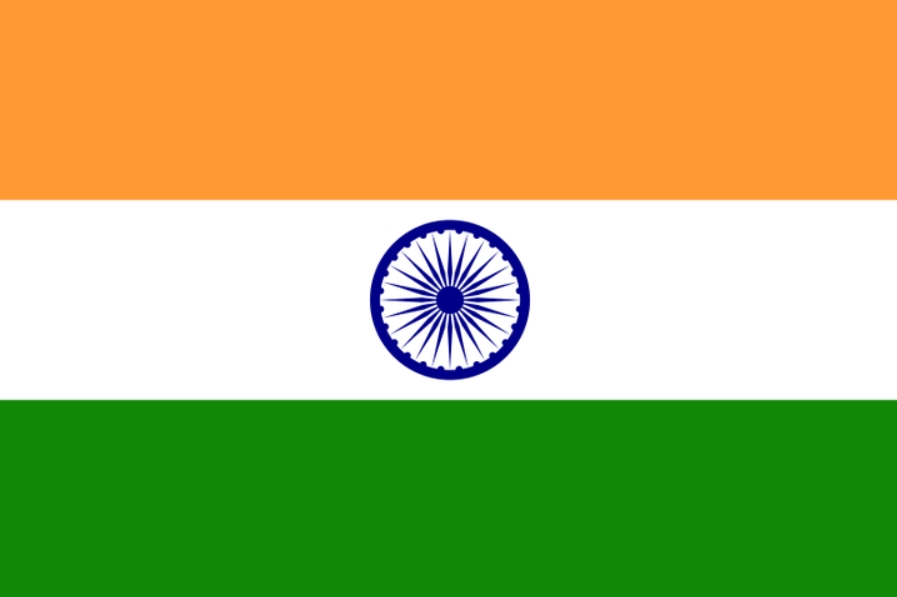
Malaysia currently accepts registration applications without prior registration in any country. However, Malaysia also recognizes registrations from the following reference countries for the abridged registration pathway:
① Australia TGA Certificate
② EC Certificate
③ Health Canada License
④ Japan Pre-market Certification/Approval
⑤ UK MHRA Certificate
⑥ US FDA 510(k) Determination
⑦ US FDA De Novo Order
⑧ US FDA Premarket Approval
Language Requirements for Registration
English + Malay
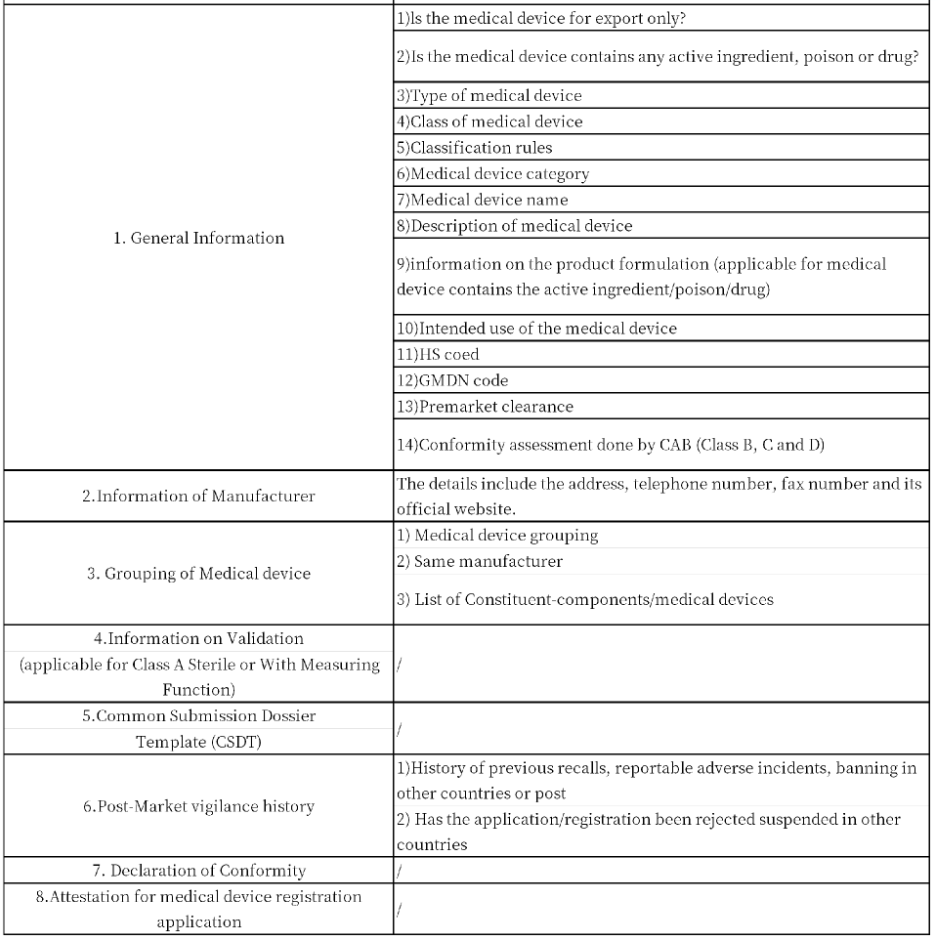
Registration Document Checklist
Malaysia Conformity Assessment Body (CAB)
The Malaysian MDA authorizes CABs to conduct conformity assessment. The CAB will review product technical documentation and conduct factory audits in accordance with the Malaysian Medical Device Act 2012. The role undertaken by the CAB is similar to that of a Notified Body in the European Union. Upon completion of the CAB assessment, the CAB will issue a Conformity Assessment Certificate and an assessment report, which the applicant can use to submit for MDA registration.
Registration Process, Timeline and Official Fees
1. Registration Process
2. Official Fees
The following are the fee information for medical device registration with the Malaysia MDA (currency unit: Malaysian Ringgit, symbol RM):
Risk Class A: Application fee is 500 RM, MDA registration fee is 750 RM;
Risk Class B: Application fee is 250 RM, MDA registration fee is 1000 RM;
Risk Class C: Application fee is 500 RM, MDA registration fee is 2000 RM;
Risk Class D: Application fee is 750 RM, MDA registration fee is 3000 RM;
Drug-device combination products: Application fee is 750 RM, MDA registration fee is 5000 RM.
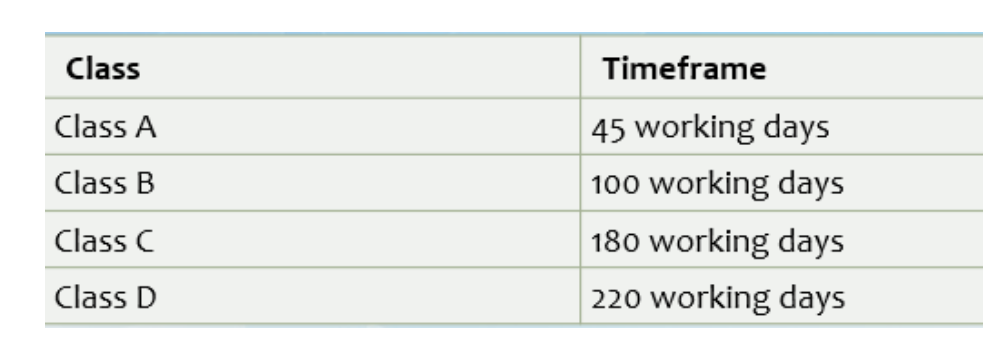
3. Official Review Timeline